Blog
Why Mother’s Day Is the Perfect Time for Retail Brands to Prioritize Employee Appreciation and Executive Leadership
|
Hiring Strategy
Mother’s Day is traditionally associated with customer campaigns, seasonal promotions, and emotional brand storytelling. However, in 2026, forward-thinking retail organizations are approaching the occasion differently. Beyond driving consumer sales, many businesses are using Mother’s Day as an opportunity to strengthen workplace culture, improve employee engagement, and reinforce executive leadership values.
In the modern retail industry, employee satisfaction and leadership quality are directly connected to customer experience and long-term business growth. Retail businesses that invest in strong executive placement strategies and people-first workplace cultures are increasingly outperforming competitors in employee retention, operational efficiency, and customer loyalty.
As seasonal retail moments become more emotionally driven, leadership teams are recognizing that appreciation should extend beyond customers to the workforce powering the business every day.
The Growing Importance of Employee-Centric Retail Leadership
Retail remains one of the most people-driven industries globally. From store associates and managers to executive leaders, the success of a retail business depends heavily on workforce motivation and operational leadership.
During major seasonal periods like Mother’s Day, retail employees often experience increased pressure due to:
High customer footfall
Seasonal inventory management
Increased operational demands
Customer service challenges
Long working hours
Discussions across retail communities reveal that many retail workers experience stress and burnout during holiday periods, especially while balancing personal family responsibilities.
This is why retail businesses need executive leaders who understand workforce well-being alongside operational performance.
Strong executive placement strategies help companies recruit leaders capable of:
Building healthy workplace cultures
Improving employee engagement
Managing retail workforce challenges
Leading during high-pressure seasonal campaigns
Supporting long-term employee retention
Organizations that prioritize emotionally intelligent leadership are becoming more attractive to both employees and customers.
How Executive Leadership Shapes Retail Culture
Executive leadership directly impacts how employees experience the workplace. In retail environments, leadership influences:
Team morale
Productivity
Customer service quality
Staff retention
Brand reputation
Modern retail employees increasingly value workplace empathy, flexibility, and recognition. Businesses that ignore employee well-being often struggle with high turnover and inconsistent customer experiences.
Recent conversations surrounding workplace appreciation initiatives show that employees respond more positively to authentic support rather than performative corporate gestures.
This highlights the growing need for retail executives who can build inclusive, supportive, and people-first workplace environments.
Executive placement firms now focus not only on technical leadership skills but also on emotional intelligence, communication, and culture-building capabilities.
Mother’s Day and the Rise of Workplace Appreciation Initiatives
In 2026, many organizations are redefining how they celebrate Mother’s Day internally. Rather than focusing solely on external campaigns, companies are introducing employee appreciation programs designed to improve morale and work-life balance.
A recent example from India showed a Delhi-based CEO offering employees paid leave and financial support to spend time with their parents ahead of Mother’s Day.
Initiatives like these reflect a broader shift in leadership philosophy. Modern executives increasingly recognize that employees value:
Flexibility
Family support
Work-life balance
Genuine appreciation
Mental wellness initiatives
Retail companies that foster supportive environments often experience:
Better team performance
Improved customer interactions
Lower employee turnover
Stronger employer branding
This makes strategic executive hiring more important than ever.
Why Executive Placement Matters in Modern Retail
Retail businesses today face rapid transformation driven by:
Consumer behavior changes
Omnichannel shopping growth
AI-powered retail analytics
Labor shortages
Increased customer expectations
To navigate these challenges successfully, organizations need experienced executive leaders who can combine operational excellence with people management.
Executive placement solutions help businesses identify leaders capable of:
Driving retail innovation
Improving workforce management
Building inclusive cultures
Leading digital transformation
Enhancing customer experience strategies
Leadership hiring is no longer just about filling senior positions. It is about finding professionals who align with the organization’s long-term vision and workplace values.
Emotional Branding Starts Internally
Mother’s Day campaigns often focus on emotional storytelling because customers connect with authentic human experiences. However, emotional branding cannot succeed externally if workplace culture internally feels disconnected.
Employees are often the first ambassadors of a retail brand. Their experience directly affects customer interactions.
Businesses that support employees during emotionally significant occasions like Mother’s Day can strengthen:
Internal morale
Brand trust
Employee advocacy
Customer perception
Retail companies with strong leadership teams understand that culture-driven organizations create stronger customer relationships.
The Retail Industry’s Shift Toward Human-Centered Leadership
Retail leadership is evolving beyond traditional operational management. Today’s successful retail executives are expected to lead with empathy, adaptability, and emotional intelligence.
Industry insights show that modern consumers and employees increasingly value authenticity and human-centered business practices.
This shift is influencing executive recruitment strategies across the retail sector.
Retail businesses are now prioritizing leaders who can:
Inspire teams
Support employee well-being
Improve workplace inclusivity
Create customer-focused cultures
Balance profitability with people management
Companies investing in strategic executive placement are building stronger foundations for long-term growth.
The Future of Retail Leadership in 2026
As retail competition intensifies, leadership quality will continue to be one of the biggest differentiators for business success.
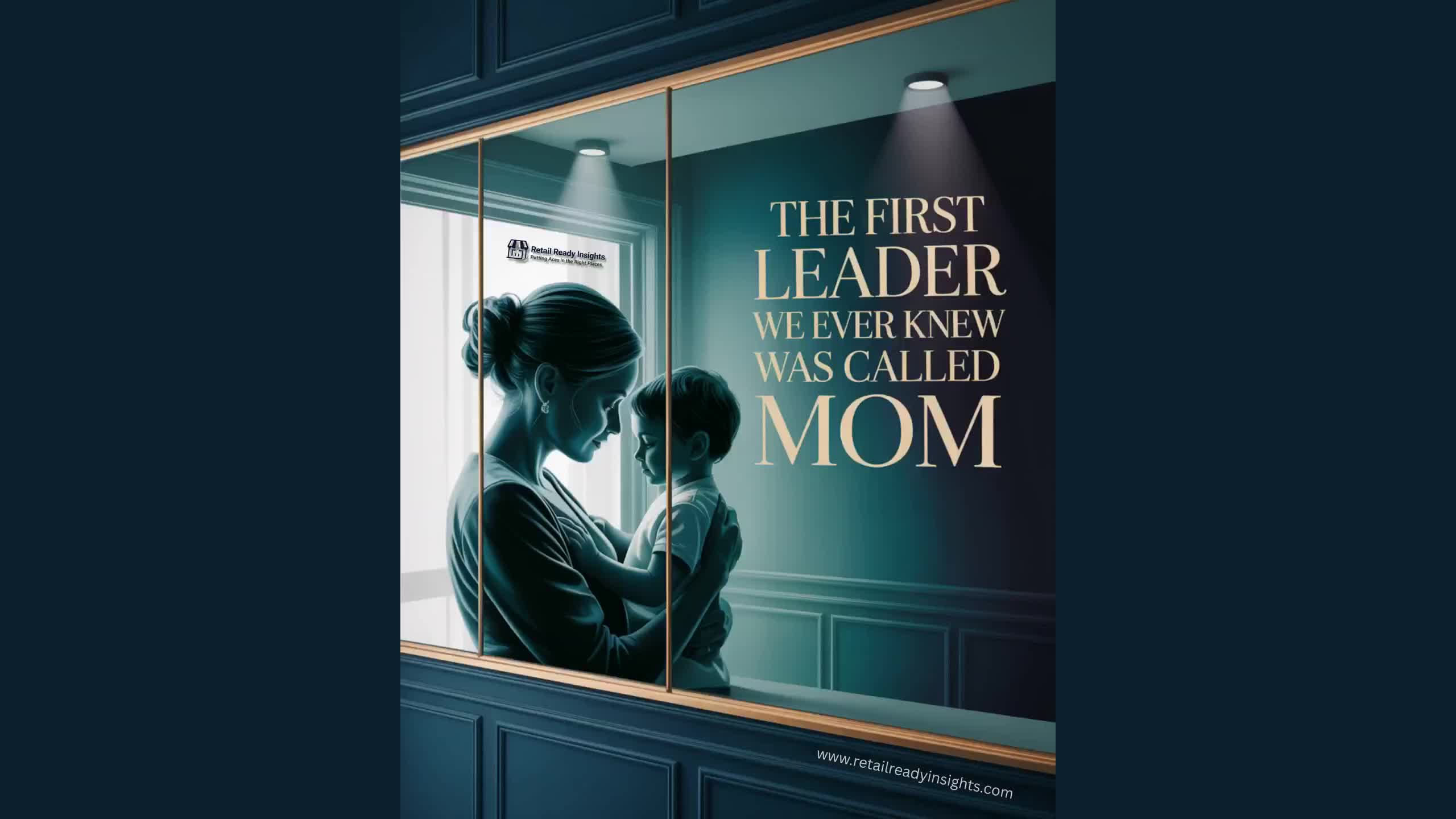
Mother’s Day serves as a reminder that retail is ultimately about people — customers, employees, and leadership teams alike.
Businesses that combine:
Strong executive leadership
Employee appreciation
Data-driven decision-making
Emotional brand storytelling
Customer-centric strategies
will be better positioned to thrive in the evolving retail landscape.
Conclusion
Mother’s Day is more than a retail sales opportunity. It is also a valuable moment for businesses to reflect on leadership, workplace culture, and employee appreciation.
Retail organizations that prioritize strategic executive placement and people-first leadership create stronger teams, better customer experiences, and more sustainable long-term growth. In 2026, successful retail brands are recognizing that leadership excellence begins with understanding and valuing people.
By investing in experienced retail executives and fostering supportive workplace cultures, businesses can transform seasonal moments like Mother’s Day into opportunities for meaningful organizational growth.
To explore more insights on retail leadership, executive placement strategies, and workforce-focused retail growth, visit Retail Ready Insights.